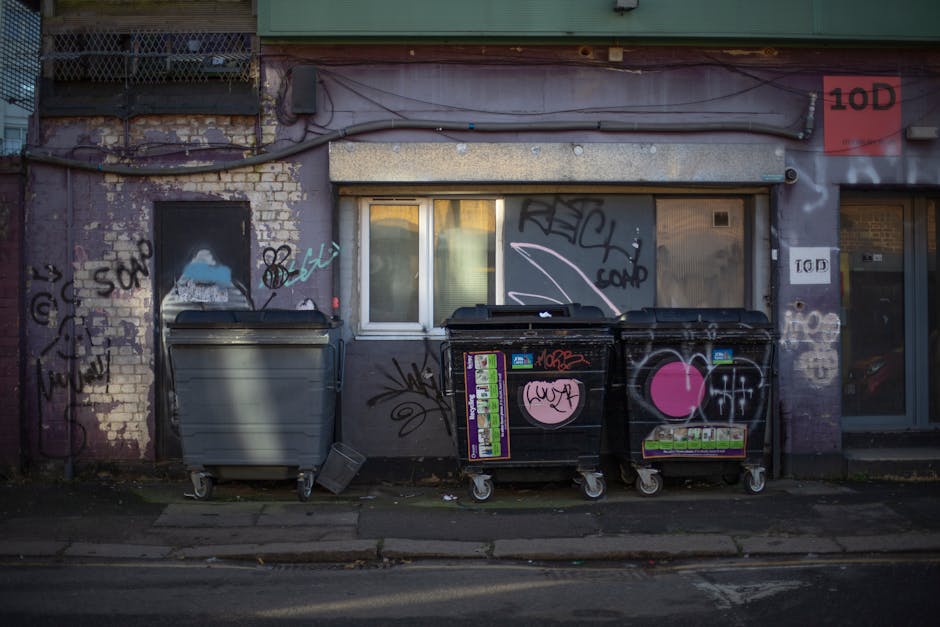
Skip Permits & Street Rules in KT1-KT4 (Kingston)
If you are planning a clear-out, renovation, or garden overhaul in Kingston, the last thing you want is a skip sitting where it should not be. Skip permits and street rules in KT1-KT4 can feel a bit fiddly at first, but once you understand the basics, the whole process becomes much easier to manage. That matters whether you are dealing with house clearance, builders' rubble, or just a mountain of old furniture that has outgrown the spare room.
In plain English, this guide explains when a permit may be needed, what street rules usually affect skips in Kingston, how to avoid the common mistakes, and how to choose the most sensible route for your project. It is written for real-life jobs, not just theory. Because let's face it, most people only start thinking about permits when a lorry is already waiting outside and the clock is ticking.
Why Skip Permits & Street Rules in KT1-KT4 (Kingston) Matters
Skip use looks simple from the outside: order skip, fill skip, remove skip. But on a public road, the rules become much more important. In KT1-KT4, streets can be busy, narrow, parked-up, and awkwardly laid out. A skip placed badly can block pedestrians, interfere with traffic, or create a safety issue outside your home or business. That is why permit checks and street rules exist.
For many projects, the real issue is not the waste itself. It is where the waste container will sit while the job is underway. If the skip is going on a driveway or private land, you may avoid the permit question altogether. If it has to go on the road, things get more structured. A permit, lighting, cone placement, size limits, hire timing, and access all start to matter.
In practical terms, this affects people doing house clearance, builders' waste clearance, garden clearance, or even a straightforward furniture disposal job. The bigger the item pile, the more likely you are to need a proper street-side setup. And if you are in a tighter Kingston street, you may notice the impact immediately - one wrong placement can make everyone else's day a bit more annoying.
Expert summary: If your skip needs to sit on a public road in KT1-KT4, treat the permit as part of the job planning, not an afterthought. That small bit of preparation usually saves time, stress, and costly last-minute changes.
How Skip Permits & Street Rules in KT1-KT4 (Kingston) Works
The basic rule is straightforward: if the skip is on private land, you usually have more freedom. If it is on a public highway, permit rules may apply. That distinction sounds obvious, but in the real world it can be fuzzy. A driveway that partly overhangs the pavement, a shared access road, or a space just off the kerb can all raise questions. Better to check early than guess and hope for the best.
Street rules may also cover practical details such as where the skip can be placed, how visible it must be to road users, how long it can remain there, and whether it needs reflective markings or lighting. These are not there to make life difficult. They exist because a skip can become a hazard if it is left in a poor location or for too long. A dark winter evening in Kingston makes that especially obvious; you do not want anything hard to spot near moving traffic.
Another point that often gets missed is access. The street may technically allow a skip, but not every road is suitable for every skip size. Busier roads, junctions, bends, or streets with tight parking can make delivery and collection awkward. Sometimes a smaller skip is the smarter choice. Sometimes a full skip is not the right answer at all, and a scheduled waste removal service is cleaner and easier.
For business users, the picture is similar but often more time-sensitive. Office refurbishments, stockroom clear-outs, and retail fit-outs can generate bulky waste quickly. If you are comparing options, the route you choose can affect not just compliance but workflow. A cramped front-of-shop skip on a busy street can slow everything down. That is why many people weigh up business waste removal against a skip before they book anything.
Key Benefits and Practical Advantages
Getting the permit and street-side setup right gives you more than legal peace of mind. It also makes the whole job smoother. Here are the main advantages in real terms:
- Less disruption: A properly placed skip is less likely to block pedestrians, neighbours, or delivery access.
- Lower risk of delays: You are far less likely to face a hold-up when the skip arrives or is collected.
- Better project planning: Once the roadside rules are settled, the rest of the clear-out becomes simpler.
- Safer working conditions: Lighting, positioning, and access matter, especially in darker months or busy roads.
- Fewer awkward conversations: Neighbours tend to be more relaxed when the skip looks managed rather than dumped.
There is also a quieter benefit: confidence. When you know the street rules are handled, you can focus on the job itself. That can be a huge relief if you are already juggling decorators, movers, tradespeople, or a family clear-out. Truth be told, that calm is worth a lot on its own.
For larger projects such as loft clearance, garage clearance, or a full home clearance, the right waste setup can stop a messy week from turning into a messy month.
Who This Is For and When It Makes Sense
Skip permits and street rules are relevant to anyone who cannot keep waste entirely on private property. That includes homeowners, landlords, tenants, builders, developers, office managers, and tradespeople. It is especially relevant in KT1-KT4 where many streets are residential, terraced, or closely parked. If the kerb is your only practical option, this topic is for you.
Typical situations include:
- Renovating a kitchen or bathroom and producing mixed construction waste.
- Clearing a house after a move, probate matter, or long-term declutter.
- Emptying a flat where access is limited and bulky items are awkward.
- Removing old office furniture, archive boxes, or redundant fittings.
- Preparing a garden for landscaping, fencing, or seasonal reset.
If your waste includes mattresses, wardrobes, desks, timber, or broken fittings, a skip often seems like the easy choice. Sometimes it is. But if your frontage is tight, or the road is already heavily parked, you may find a man-and-van style clear-out simpler than dealing with a roadside container. A sensible choice is not always the biggest one. Annoying, perhaps. True, though.
For some households, a more tailored clearance service can also reduce the chance of over-ordering. For example, a small flat clear-out may be better handled through flat clearance rather than a skip that sits half-empty for days. That is not just cheaper in many cases; it is cleaner and less cluttered on the street.
Step-by-Step Guidance
If you want the simplest path through skip permits and street rules in KT1-KT4, follow this sequence. It keeps things sensible and avoids the "we'll sort it later" trap, which is famous for causing problems.
- Work out where the skip will actually go. Private driveway, forecourt, rear access, or public road? This is the first decision, because everything else depends on it.
- Estimate the waste type and volume. Mixed household items, inert builders' waste, green waste, or heavy furniture all affect skip size and handling.
- Check access width and road conditions. Think parked cars, lamp posts, bends, low branches, and whether delivery lorries can safely position the skip.
- Confirm whether a permit is needed. If the skip will sit on a public highway, assume extra approval may be required and plan accordingly.
- Choose the right service. A skip is not always the best fit. Sometimes a clearance service, direct collection, or targeted disposal is more efficient.
- Schedule delivery and collection with enough breathing room. Rushing this step is where people get caught out. A day or two extra planning can save a lot of back-and-forth.
- Prepare the site. Clear the area, make access safe, and let neighbours know if the placement may affect parking or entry.
- Keep the skip used responsibly. Do not overload it, mix prohibited items, or block access routes around it.
A small but useful tip: take a quick look at the street at the same time of day the skip will be delivered. Morning parking patterns can be very different from late afternoon. Kingston traffic has a way of changing character from one hour to the next, and that matters more than people expect.
Expert Tips for Better Results
The people who get this right usually do a few things well. Nothing dramatic. Just good planning and a bit of local realism.
- Think about loading order. Put heavy, flat items in first so the skip is stable and easier to use.
- Separate out reusable items early. If a sofa, table, or cabinet still has life in it, do not bury it under rubble by accident.
- Watch the weather. Rain makes cardboard collapse, garden waste heavier, and the job messier. Simple, but true.
- Allow for access at collection time. A skip that becomes blocked by a parked car is a headache you do not need.
- Keep an eye on item restrictions. Some materials need special handling. Do not assume everything can go in one container.
Another practical point: if you are clearing multiple rooms, label what is going, what is staying, and what needs separate disposal. It sounds basic, but in a busy house it prevents mistakes. One box of paperwork mixed with furniture can turn a two-hour job into a much longer one. We have all seen that sort of thing happen - usually just when everyone is tired and hungry.
If your project is mainly bulky household items, it may be worth comparing a skip against a focused furniture or household clearance route such as house clearance or furniture clearance. That kind of comparison is often where the best value shows up.
Common Mistakes to Avoid
Most skip headaches come from a small number of avoidable errors. The good news is that they are all fixable once you know what to look for.
- Assuming roadside placement is automatic. It is not. Public road use is the point where permit checks matter.
- Leaving access planning too late. If the lorry cannot reach the site safely, the whole job may be delayed.
- Ignoring local parking pressure. A street that looks quiet at 9am can be fully occupied by lunchtime.
- Choosing the wrong container size. Too small means extra collections; too large may be awkward or unnecessary.
- Overfilling the skip. That can create safety issues and collection problems.
- Mixing unsuitable waste types. Not everything belongs in a general skip. Keep an eye on what is allowed.
- Forgetting about neighbour impact. A bit of communication goes a long way on narrow Kingston streets.
The most common mistake, honestly, is treating the skip as a bin rather than a temporary road-side structure with rules attached. It is a small distinction, but it changes everything. When people get that, the rest tends to fall into place.
Tools, Resources and Recommendations
You do not need a fancy toolkit to handle skip planning well. A few basic resources and habits make a big difference.
- Measuring tape: Useful for checking driveway width, front garden access, and gate openings.
- Phone camera: Take photos of the site and access route before booking. This helps avoid surprises.
- Simple room-by-room list: Helpful if you are clearing a house, flat, loft, or office.
- Basic waste separation bags or boxes: Handy for small items, paperwork, and light recyclables.
- Booking notes: Keep a record of dates, placement instructions, and any access constraints.
If your job is bigger than a standard domestic clear-out, consider whether a more complete service is the better fit. Services like office clearance, builders' waste clearance, and waste removal can be easier to organise than a roadside skip, particularly where space is tight or the waste type is mixed.
For anyone comparing providers, it also helps to check the finer details around pricing and quotes, insurance and safety, and recycling and sustainability. Those pages help you judge whether a service feels clear, responsible, and well-run, which matters more than a glossy headline price.
Law, Compliance, Standards, or Best Practice
Skip and street-side waste management in the UK sits within a broader framework of public safety, local highway control, and responsible waste handling. The exact permit process can vary by place and road type, so it is wise to treat Kingston-specific arrangements carefully rather than assuming one universal rule.
Best practice usually includes the following:
- Only placing skips on the road where permitted and appropriate.
- Making sure the container is clearly visible to road users.
- Keeping the area around the skip reasonably safe and accessible.
- Handling waste in a way that reduces spill, nuisance, and obstruction.
- Using a provider that works with recognised insurance and safety expectations.
If you are a business, compliance tends to matter even more. Waste from shops, offices, and worksites needs to be managed with care, not only for street rules but for duty-of-care considerations and practical site safety. That is one reason many businesses compare skip hire against structured collection routes and choose whichever creates the least risk to operations.
A careful provider will usually be happy to explain what they can and cannot take, how the street-side setup works, and what kind of access is needed. If they are vague about those basics, that is worth noticing.
Options, Methods, or Comparison Table
There is no single best answer for every KT1-KT4 project. The right choice depends on access, waste type, time pressure, and how much disruption you can tolerate outside your property.
| Option | Best for | Street-rule impact | Practical notes |
|---|---|---|---|
| Roadside skip | Larger mixed waste loads | Higher; permits and placement rules may apply | Useful for longer jobs, but needs space and planning |
| Driveway or private land skip | Homes with enough off-street space | Lower; usually simpler | Often the cleanest route if access works |
| Targeted waste removal | Bulky items, mixed clutter, faster turnarounds | Low; no roadside container needed | Good when parking is tight or timing is awkward |
| Specialist clearance service | Homes, flats, lofts, garages, offices | Low to moderate depending on loading access | Often best for items that need sorting, lifting, or careful handling |
For many readers, the real decision is not "skip or no skip" but "which method creates the least friction?". That is the better question. A container that technically fits the job but makes the street a nuisance is not always the smart choice.
Case Study or Real-World Example
Imagine a family clearing a semi-detached house in KT2 after a long renovation and a delayed loft tidy-up. There is plasterboard, broken shelving, a few old chairs, and a pile of garden cuttings that have been sitting out since the weekend. At first, a road skip seems obvious.
Then the practical issues start appearing. The street already has evening parking pressure. The front drive is narrow. A delivery van uses the road regularly. By the time everything is counted, a roadside skip looks possible but not ideal. In that kind of situation, a combined approach can work better: a smaller off-street container for the heavier waste, plus a separate clearance for bulky furniture and mixed items.
That is the sort of adjustment that saves frustration. Instead of forcing the whole job into one solution, the family gets a calmer process, less obstruction, and fewer arguments about where the skip should sit. Not glamorous, but very effective.
For a business example, think of a small office near the centre of Kingston replacing desks and filing cabinets during a weekend fit-out. A skip might work, but if the building frontage is tight and the street is active, a direct business waste removal arrangement can reduce disruption and keep Monday morning simple. That is often the real win.
Practical Checklist
Use this checklist before booking anything. It will save you from the usual last-minute scramble.
- Have you confirmed whether the skip will sit on private land or a public road?
- Have you checked access width, kerb space, and overhead obstacles?
- Do you know the approximate amount and type of waste?
- Have you decided whether a skip is better than a clearance or waste removal service?
- Have you considered parking pressure in your street at delivery and collection times?
- Have you checked for any items that need special handling?
- Have you planned where the waste will come from inside the property?
- Have you told neighbours if the placement may affect shared access or parking?
- Have you read the service terms and safety guidance carefully?
- Have you left enough time for delivery, loading, and collection without rushing?
If you can tick most of those off, you are in good shape. If not, pause and sort the missing pieces first. It is a small delay that usually pays for itself.
Get a free quote today and see how much you can save.
Conclusion
Skip permits and street rules in KT1-KT4 are not complicated once you break them down. The main thing is to decide early where the waste will go, whether the road is involved, and which disposal method fits your space, timeline, and load. That simple planning step avoids a lot of stress later.
For many people in Kingston, the smartest option is not just the cheapest one. It is the one that keeps the street clear, the neighbours calm, and the project moving. If you handle the access, visibility, and permit question properly, the rest tends to feel much more manageable.
And honestly, that is usually what people want most: a clean finish, no drama, and one less thing to think about on a busy week.
Frequently Asked Questions
Do I need a skip permit in KT1-KT4 if the skip is on my driveway?
Usually not, because permits are generally tied to placing a skip on a public road. If the skip is fully on private land, the process is often simpler. That said, you still need enough space and safe access.
What street rules matter most for skip hire in Kingston?
The biggest issues are safe placement, visibility, access for delivery and collection, and whether the skip obstructs traffic or pedestrians. Tight roads and parked cars can make these rules more important than people expect.
Can I put a skip outside my house on the road without checking first?
It is risky to assume that is fine. Roadside placement usually needs proper approval or permit handling, and local conditions may affect whether the location is suitable at all.
What is the best option if my street is too narrow for a skip?
If access is tight, a smaller container or a direct waste removal service may work better. Sometimes a full skip is simply not the cleanest solution, especially on busy residential streets.
How far in advance should I plan a skip for KT1-KT4?
As early as you reasonably can. The more the skip depends on road space, the more helpful it is to plan ahead. That gives time to check access, timing, and any permit-related steps.
Can I mix household waste and builders' waste in the same skip?
Often yes, but it depends on the waste type and the service terms. Some loads are better kept separate, and some materials need special handling. It is always better to ask rather than guess.
What happens if a skip is blocked by parked cars?
Collection can become difficult or delayed. In busy Kingston streets, this is one of the most common practical problems. Good timing and neighbour awareness help reduce the chance of it happening.
Is a skip always cheaper than waste removal?
Not always. If you have limited space, a smaller amount of waste, or a complicated street layout, direct removal can be better value once you factor in time, disruption, and access issues.
What should I check before booking a skip in Kingston?
Check the placement location, access width, waste type, likely duration, and whether the skip will touch a public road. It is also worth reviewing the provider's pricing, safety approach, and recycling policy.
Are there special considerations for office or business clear-outs?
Yes. Businesses often need faster turnaround, cleaner access management, and less street disruption. That is why many choose a structured service such as office clearance or business waste removal rather than relying only on a roadside skip.
Can I get help with bulky items instead of using a skip?
Absolutely. If your main issue is furniture, loose household clutter, or mixed bulky waste, services like furniture clearance or house clearance can be much easier than managing a skip on the street.
Where can I learn more about the company behind these services?
You can read more on the about us page, and if you need to discuss a specific job, the contact us page is the natural next step. If you are comparing terms or policies, the site also provides useful pages such as terms and conditions and health and safety policy.