Office Clearance Kingston — Health & Safety Policy
 This document outlines the health and safety policy for Office Clearance Kingston and associated waste removal activities carried out by our rubbish company service area. The policy describes roles, responsibilities and controls that govern safe delivery of office clearance, rubbish removal and waste clearance services. It is prepared to ensure that all employees, contractors and visitors understand the expected standards for safe working, risk management and compliance with applicable safety obligations in the waste management sector.
All staff engaged in office clearances, whether performing bulky item removal, light demolition of shelving or the segregation of materials for recycling, must follow the procedures set out below. The policy emphasises a hierarchy of controls: elimination, substitution, engineering, administrative controls and personal protective equipment. Every manager and operative should be able to demonstrate awareness of these controls and a commitment to continuous improvement in the rubbish removal and clearance process.
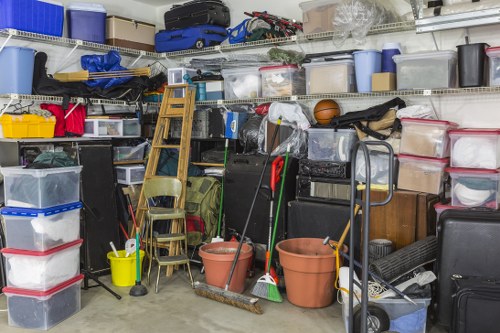 The organisation recognises that the rubbish company service area includes a variety of operational environments. These range from occupied office buildings to empty commercial premises. Each site will have a site-specific risk assessment and method statement before work begins. Risk assessments shall address manual handling, slips and trips, working at height, vehicle movements, hazardous materials, and fire risks associated with stored waste. Supervisors must ensure that these assessments are reviewed regularly and updated when conditions change.
Responsibilities and Safe Systems of Work
Managers are responsible for creating and maintaining a safe working environment. This includes ensuring that staff receive adequate training in waste handling, safe lifting techniques, use of mobile plant, and the correct use of PPE. Operatives must complete statutory training and any additional training relevant to the rubbish removal service area. Competency checks and refresher courses will be recorded and periodically audited to confirm ongoing capability.
 Employees must report hazards, near-misses and incidents immediately to their line manager. Incident reporting procedures will be clear and accessible, and investigations will identify root causes and corrective actions. A no-blame culture encourages prompt reporting so that lessons are captured and shared across the team. Health surveillance will be arranged where employees are exposed to specific risks that require monitoring, such as dust, noise or repetitive strain.
Personal protective equipment will be provided free of charge and worn as required. Typical PPE for office clearance and rubbish removal includes gloves, high-visibility clothing, eye protection, protective footwear and respiratory protection when appropriate. PPE is the last line of defense and must be combined with safe work methods and good housekeeping to reduce exposures.
Operational Controls, Waste Segregation and Vehicle Safety
Safe systems for handling and transporting waste are essential in any waste removal service area. Vehicles used for collections and clearance will be regularly inspected, loaded safely and driven by authorised personnel only. Load securing, correct use of tail lifts and adherence to weight limits are mandatory. Drivers must follow route risk assessments and be mindful of pedestrian zones, client property and public safety during collections.
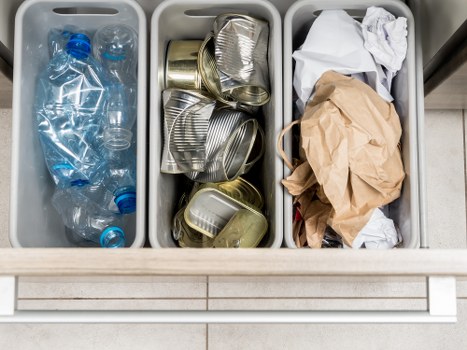
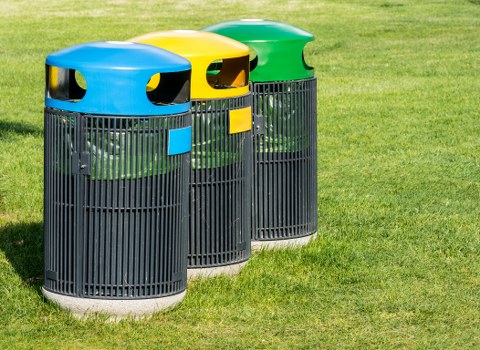 The company enforces strict segregation of hazardous and non-hazardous materials. Items such as batteries, fluorescent tubes, toner cartridges and electronic waste are treated separately and processed in line with regulatory requirements. If hazardous materials are encountered during office clearances, work will stop immediately and a hazardous materials specialist will be called in. Records will be maintained for the transfer, recycling and disposal of controlled waste.
 Routine maintenance, waste container checks and site cleaning reduce the likelihood of contamination and infection risk. Housekeeping standards are part of routine site inspections and performance metrics. The policy also covers lone working arrangements, client site inductions, contractors' competence checks and emergency procedures, including fire evacuation and first aid provision.
To support the above, the company commits to continuous monitoring and review. Performance indicators such as incident rates, training completion, site audit outcomes and waste diversion statistics will be tracked. Regular safety meetings will review results and deliver improvement actions. A clear escalation path exists for unresolved safety concerns to senior management to ensure accountability and timely corrective measures.
Key elements of the policy in summary include:
- Risk assessment and method statements before every clearance;
- Competent training and supervision for all operatives;
- Effective segregation and lawful disposal of waste streams;
- Routine vehicle and equipment maintenance to ensure safety;
- Incident reporting and continuous improvement processes.
The policy will be reviewed at least annually or after any significant incident, change in operations or legislative update. It is the responsibility of management to ensure this policy is implemented and communicated. Each employee is expected to contribute to a safe workplace by following procedures, taking reasonable care, and reporting hazards. Together, these measures ensure that office clearance, rubbish collection and waste management are conducted safely, efficiently and with respect for people and the environment.
